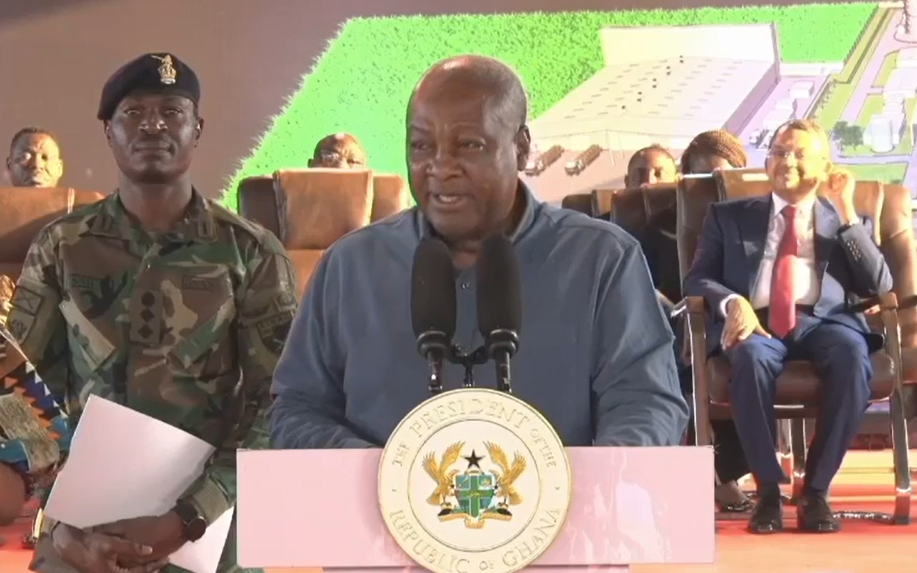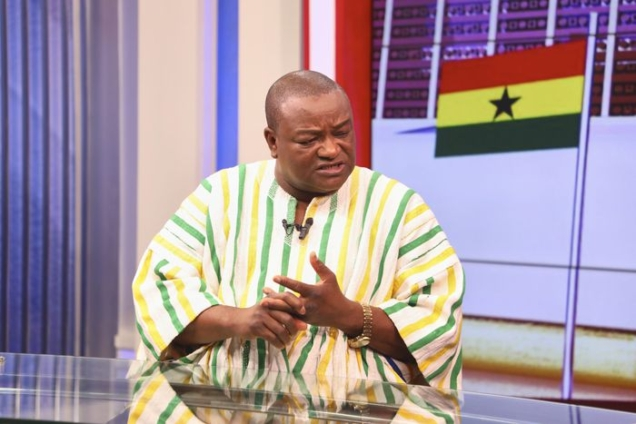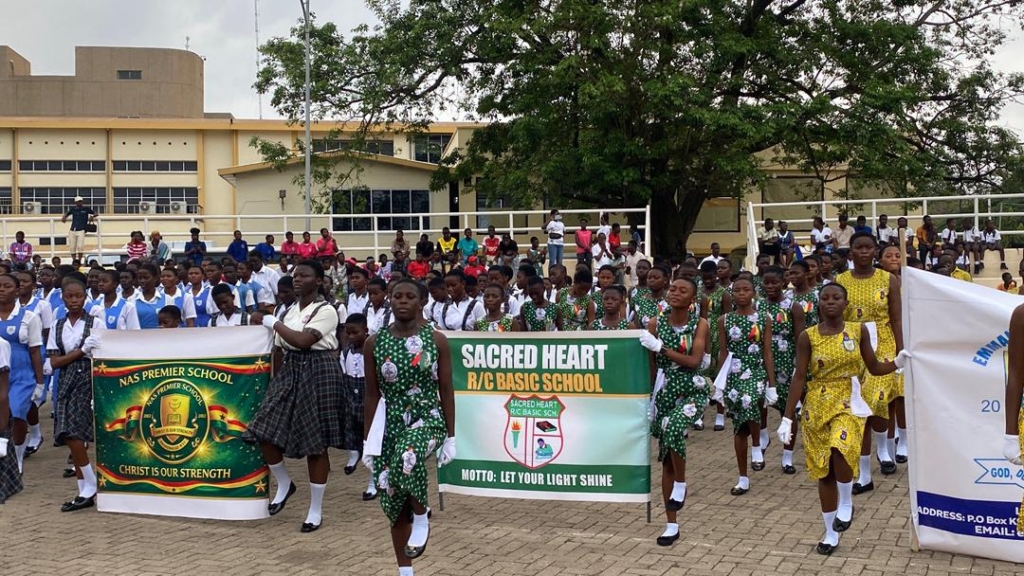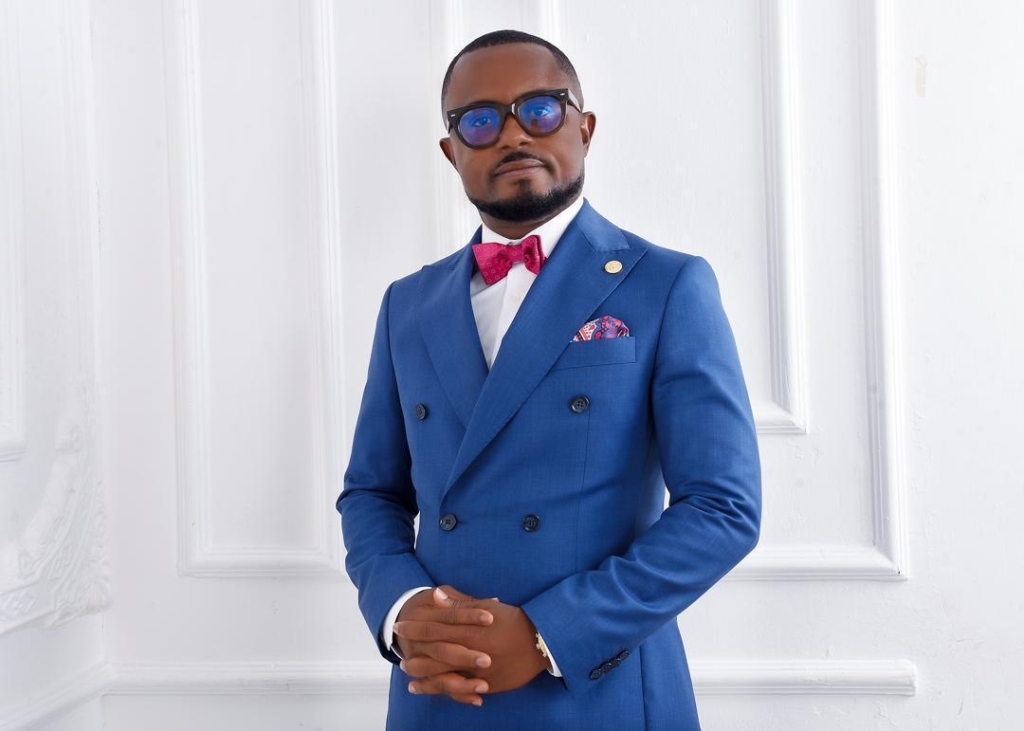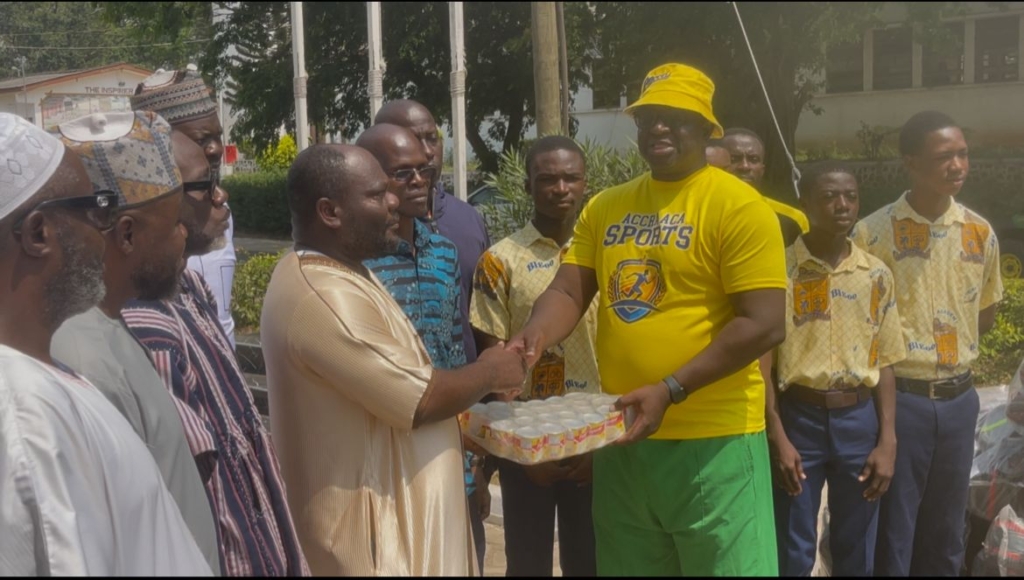

The country's independence celebrations, which took place on March 6, were marked with the usual fanfare, including a grand parade and speeches by government officials. However, Asamoah Boateng's remarks served as a reminder that independence is not an end in itself, but rather a means to an end. The real challenge, he noted, lies in building a prosperous and equitable society where all citizens have access to opportunities and resources. As Asamoah Boateng put it, "We need to take stock of our progress and identify areas where we need to improve. We cannot afford to rest on our laurels, thinking that we have arrived. There is still much work to be done to build a Ghana that is just, peaceful, and prosperous for all."
Assessing Ghana's Developmental Progress
Ghana has made significant progress in various sectors, including education, healthcare, and infrastructure development. The country has also made strides in promoting democracy and good governance, with a stable political system and a strong tradition of peaceful transfer of power. However, despite these gains, challenges persist, including high levels of poverty and inequality, inadequate access to basic services such as water and sanitation, and a struggling economy. According to Dr. Ama Pomaa-Bruce, a development expert, "Ghana's development trajectory is characterized by a mix of successes and challenges. While we have made progress in some areas, we still face significant development gaps, particularly in rural areas where poverty and inequality are more pronounced."
"We need to adopt a more nuanced approach to development, one that takes into account the specific needs and circumstances of different regions and communities. A one-size-fits-all approach will not work, and we need to be more innovative and flexible in our development strategies," Dr. Pomaa-Bruce noted.
Asamoah Boateng's remarks also highlighted the need for greater citizen engagement and participation in the development process. He emphasized that development is not just the responsibility of government, but requires the active involvement of all stakeholders, including citizens, civil society organizations, and the private sector. As Mr. Kofi Owusu, a civil society activist, put it, "Citizens need to hold their leaders accountable and demand more from them. We need to be more vigilant and engaged in the development process, and not just leave everything to government. By working together, we can build a better future for ourselves and for generations to come."
Charting a Clearer Path for the Future
So, what needs to be done to chart a clearer path for Ghana's future? According to Asamoah Boateng, the country needs to prioritize investments in key sectors such as education, healthcare, and infrastructure development. He also emphasized the need for good governance and effective leadership, noting that these are essential for driving development and promoting prosperity. As Professor Stephen Adei, a renowned economist, noted, "Ghana needs to focus on building a strong and competitive economy, one that is driven by innovation, entrepreneurship, and investment in human capital. We need to create an enabling environment for businesses to thrive, and for citizens to access opportunities and resources."
As Ghana looks to the future, it is clear that the country has a long way to go in achieving its full potential. However, with the right policies, leadership, and citizen engagement, there is no doubt that the country can overcome its challenges and build a prosperous and equitable society for all. As Asamoah Boateng concluded, "We have the talent, the resources, and the determination to succeed. What we need now is a clear vision, a sense of purpose, and a commitment to working together to build a better future for ourselves and for generations to come." As the country continues on its development journey, it is essential that citizens remain vigilant, engaged, and committed to promoting the values of justice, equality, and freedom that underpin Ghana's independence.