
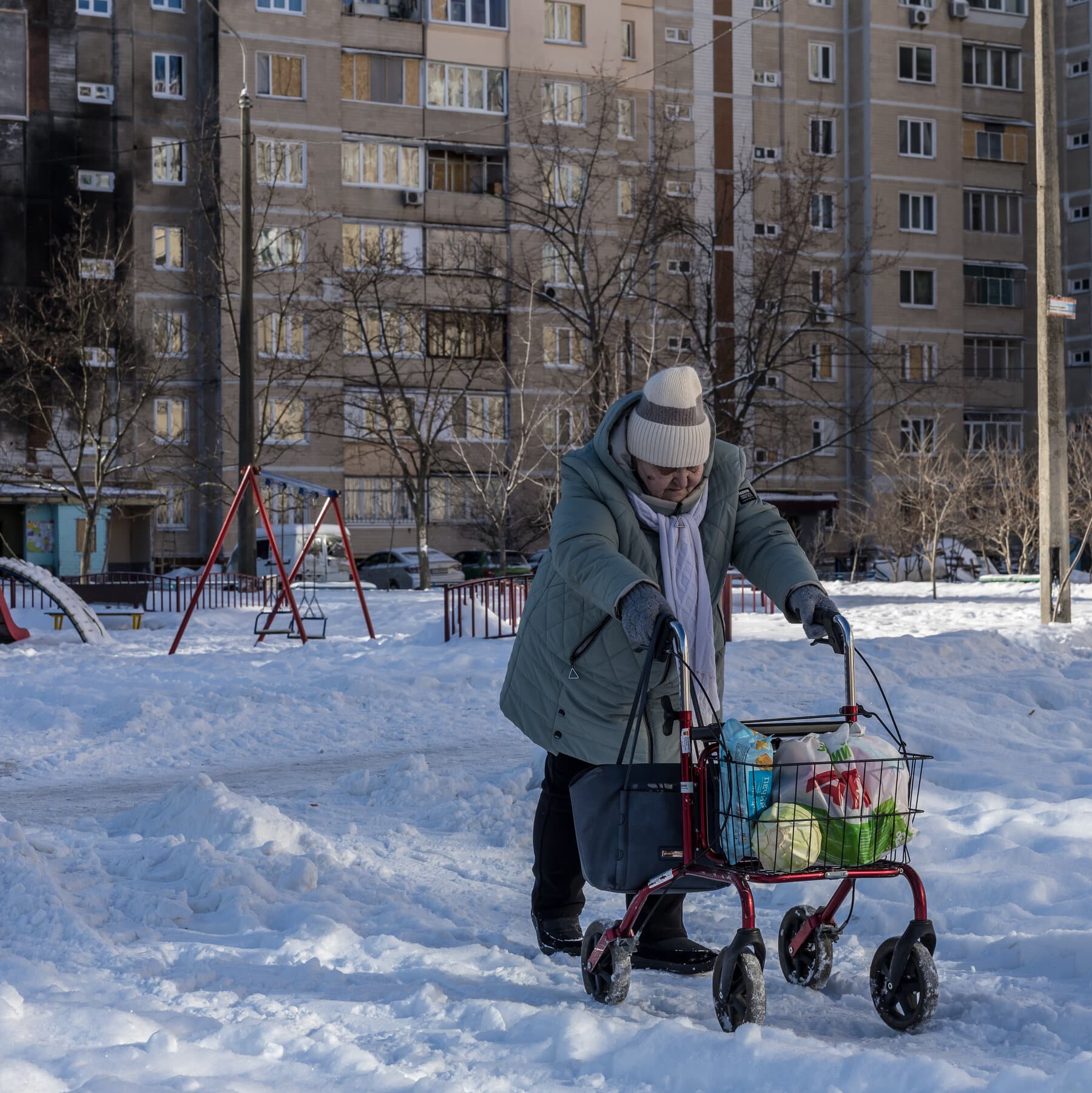
According to Dr. Natalia Kristensen, a leading expert on Ukrainian affairs at the European Council on Foreign Relations, the resilience narrative can be damaging because it "creates unrealistic expectations about the ability of Ukrainians to cope with the trauma and hardship inflicted by the war." She notes that the international community's tendency to focus on Ukrainian resilience can lead to a lack of understanding about the country's pressing needs and the necessity for continued support. As Kristensen explains, "The world needs to recognize that Ukrainians are not superhuman; they are a people who have been pushed to the limits of human endurance, and they require our ongoing assistance to survive and rebuild."
The Importance of Projecting Strength
Ukrainian officials are well aware that their country's ability to project strength and stability is crucial in securing continued Western support. As Oleksiy Goncharenko, a member of the Ukrainian parliament, puts it, "We understand that our international partners need to see a strong and determined Ukraine, capable of withstanding Russian aggression and ultimately emerging victorious." However, Goncharenko also emphasizes that this narrative of strength must be balanced with a nuanced understanding of the human cost of the war and the need for sustained international aid. "We are not just resilient; we are also vulnerable, and our people are suffering. The world needs to see both sides of this story," he adds.
"The resilience narrative has become a kind of emotional anesthesia, numbing the international community to the true extent of our suffering," says Maria Avdeyenko, a Ukrainian journalist who has been documenting the war's impact on civilians. "We are not just coping; we are struggling to survive, and our future is far from certain."Avdeyenko's words are echoed by many Ukrainians who feel that the international community's focus on resilience has led to a lack of urgency in providing the support they so desperately need.
A Call for Nuance and Understanding
As the conflict in Ukraine continues to unfold, there is a growing recognition of the need for a more nuanced understanding of the country's situation. The Ukrainian people are not simply resilient; they are complex human beings, deserving of empathy, support, and a deeper understanding of their experiences. According to Professor Sergei Riabov, a historian at Kyiv National University, "The international community must move beyond simplistic characterizations and engage with the full richness and complexity of Ukrainian society." Riabov argues that this requires a willingness to listen to Ukrainian voices and to acknowledge the depth of their suffering, rather than relying on simplistic narratives or stereotypes.
In the words of Ukrainian President Volodymyr Zelensky, "We appreciate the recognition of our resilience, but we need more than just words. We need concrete action, sustained support, and a genuine commitment to our future." As the international community continues to grapple with the challenges posed by the conflict in Ukraine, it is clear that a more nuanced understanding of the country's situation is essential. By moving beyond the resilience narrative and engaging with the full complexity of Ukrainian experiences, the world can build a more meaningful and lasting relationship with the people of Ukraine.
In conclusion, the Ukrainian people's plea to the international community is clear: they want to be seen as more than just resilient. They want to be recognized as human beings, deserving of empathy, support, and understanding. As the world continues to navigate the complexities of the conflict in Ukraine, it is essential that we listen to their voices and acknowledge the depth of their suffering. By doing so, we can build a more just and equitable relationship with the people of Ukraine, one that is based on a profound understanding of their experiences and a commitment to their future. The future of Ukraine depends on it, and it is up to the international community to respond with the urgency and compassion that this crisis demands.