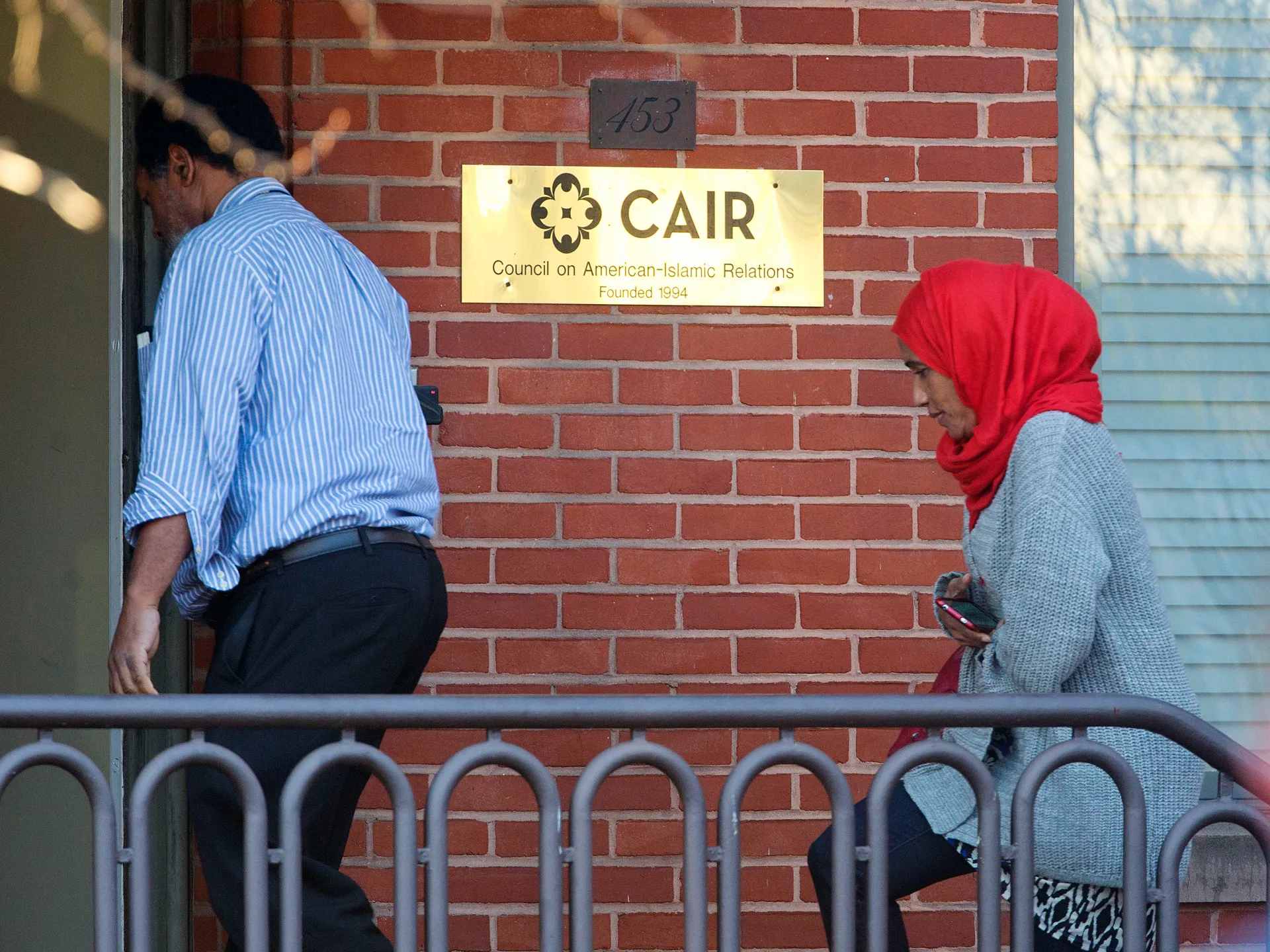
A chilling new report released by the Council on American-Islamic Relations (CAIR) has shed light on a disturbing trend of escalating Islamophobia in the United States, with a significant surge in hate crimes, discrimination, and anti-Muslim rhetoric in 2025. The annual report, which documents incidents of Islamophobic harassment, intimidation, and violence, warns that the situation is likely to worsen in the wake of the Iran war, which has sparked a fresh wave of hate speech and xenophobic sentiment.
According to the CAIR report, the number of anti-Muslim hate crimes has increased by over 20% in the past year, with a significant spike in incidents of vandalism, physical assault, and harassment. The report also notes a disturbing rise in online hate speech, with social media platforms and online forums being used to spread Islamophobic propaganda and promote violence against Muslims. CAIR officials have expressed grave concern over the findings, warning that the current climate of intolerance and fear-mongering is creating a toxic environment for American Muslims.
The Iran War and the Rise of Anti-Muslim Sentiment
The CAIR report suggests that the Iran war has played a significant role in fueling the recent surge in anti-Muslim hate crimes and sentiment. The conflict has been accompanied by a wave of xenophobic and Islamophobic rhetoric, with some politicians and media pundits using inflammatory language to demonize Muslims and Iranians.
"The Iran war has created a perfect storm of hate and intolerance, with Muslims being scapegoated and demonized as a result of the conflict," said Dr. Zahra Khan, a professor of Middle Eastern studies at a leading US university. "It's appalling to see the level of vitriol and hatred being directed towards Muslims, and it's imperative that we take a strong stance against it."
CAIR officials have also expressed concern over the lack of action from law enforcement agencies and government officials to address the rising tide of Islamophobia. The organization has called for increased funding and resources to be allocated to combating hate crimes and promoting community outreach and education programs. "It's not just about condemning hate crimes, but about taking concrete actions to prevent them from happening in the first place," said CAIR spokesperson, Ibrahim Hooper. "We need to see a more proactive approach from law enforcement and government agencies to address the root causes of Islamophobia and promote greater understanding and acceptance of Muslim communities."
Community Response and Resilience
Despite the alarming rise in anti-Muslim hate crimes, Muslim communities across the US have shown remarkable resilience and determination in the face of adversity. Many mosques and community centers have reported an increase in attendance and participation in recent months, as Muslims come together to support one another and promote greater understanding and awareness of their faith.
"We will not be intimidated or silenced by the forces of hate and intolerance," said Imam Abdul Rahman, a prominent Muslim leader in the US. "We will continue to stand strong and proud, promoting our values of peace, justice, and compassion, and working towards a more inclusive and equitable society for all."
As the US grapples with the challenges of Islamophobia and anti-Muslim hate crimes, experts warn that the situation is likely to worsen in the coming months. The CAIR report highlights the need for urgent action to address the root causes of Islamophobia, including lack of education and awareness, and the perpetuation of negative stereotypes and biases. By working together to promote greater understanding and acceptance of Muslim communities, Americans can help to create a more just and equitable society for all.
In conclusion, the CAIR report serves as a stark reminder of the pressing need to address the rising tide of Islamophobia in the US. As the nation moves forward, it is imperative that policymakers, community leaders, and ordinary citizens come together to promote greater understanding, acceptance, and inclusion of Muslim communities. By doing so, we can help to create a more just and equitable society, where all individuals can live without fear of persecution or discrimination, and where the values of peace, justice, and compassion are upheld for all.