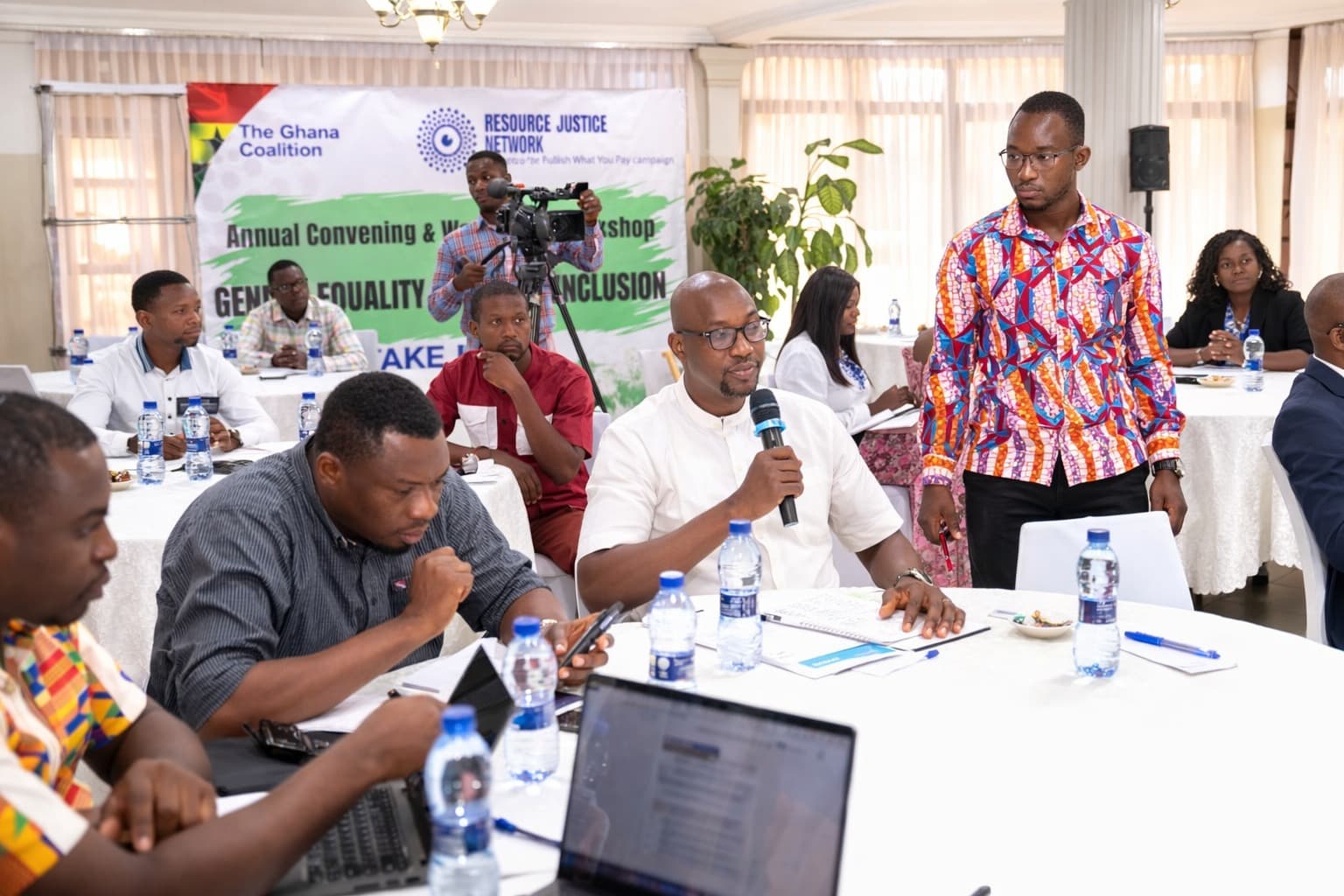
The workshop provided a platform for RJN–Ghana members to review the current state of natural resource governance in the country and identify areas that require attention and reform. According to Madam Ama Kudom-Agyemang, the Coordinator of RJN–Ghana, "The network is committed to promoting transparency and accountability in the management of Ghana's natural resources, and this workshop is a key step towards achieving that goal." The network's efforts are particularly significant in the context of Ghana's oil and gas sector, which has experienced significant growth in recent years, but has also been plagued by concerns over revenue management and distribution.
Natural Resource Governance in Ghana
Natural resource governance is a critical issue in Ghana, given the country's rich endowment of natural resources, including oil, gas, gold, and other minerals. However, the management of these resources has been marred by concerns over corruption, lack of transparency, and inadequate revenue distribution. The RJN–Ghana has been at the forefront of advocating for improved governance and management of these resources, with a focus on ensuring that the benefits are shared equitably among all Ghanaians. As Dr. Kojo Mensah, a resource governance expert, noted, "The effective management of natural resources is critical for Ghana's development, and it is essential that we get it right to ensure that the country's resources are used to benefit all citizens, not just a few."
The RJN–Ghana has been working to promote the implementation of the Gender and Social Inclusion (GESI)–Annual Budget Funding Amount (ABFA) report, which provides a framework for ensuring that the benefits of Ghana's natural resources are shared equitably among all citizens, including marginalized groups. The report highlights the need for increased transparency and accountability in the management of oil revenues, as well as the importance of ensuring that these revenues are used to support development projects that benefit all Ghanaians.
"The GESI–ABFA report is a critical tool for promoting transparency and accountability in the management of Ghana's oil revenues," said Ms. Adjoa Addo, a civil society activist. "We need to ensure that the recommendations of the report are implemented to ensure that the benefits of Ghana's natural resources are shared equitably among all citizens."
Enhancing Marginalized Groups' Share in Oil Revenues
A key focus of the RJN–Ghana's workshop was on enhancing the share of marginalized groups in Ghana's oil revenues. The network recognizes that these groups, including women, youth, and persons with disabilities, have historically been excluded from the benefits of the country's natural resources. The RJN–Ghana is working to promote the inclusion of these groups in decision-making processes related to natural resource governance, as well as to ensure that they benefit directly from the revenues generated by the extractive industry. As Mr. Kofi Owusu, a community leader, noted, "The benefits of Ghana's natural resources should be shared equitably among all citizens, and it is essential that we prioritize the needs of marginalized groups who have been excluded from these benefits for too long."
The RJN–Ghana's efforts to promote natural resource governance and enhance the share of marginalized groups in oil revenues are critical for Ghana's development. The network's work has the potential to contribute to a more equitable distribution of the country's natural resources, and to promote transparency and accountability in the management of these resources. As the network moves forward with its advocacy programs, it is essential that it continues to prioritize the needs of marginalized groups and to work towards ensuring that the benefits of Ghana's natural resources are shared equitably among all citizens.
In conclusion, the Resource Justice Network (RJN)–Ghana's national workshop marked an important step towards promoting natural resource governance and enhancing the share of marginalized groups in Ghana's oil revenues. The network's efforts are critical for ensuring that the benefits of the country's natural resources are shared equitably among all citizens, and for promoting transparency and accountability in the management of these resources. As Ghana moves forward with its development agenda, it is essential that the country prioritizes the effective governance and management of its natural resources, and that it works towards ensuring that these resources are used to benefit all citizens, not just a few. The RJN–Ghana's work is a crucial part of this effort, and its continued advocacy and activism will be essential for promoting a more equitable and transparent management of Ghana's natural resources.