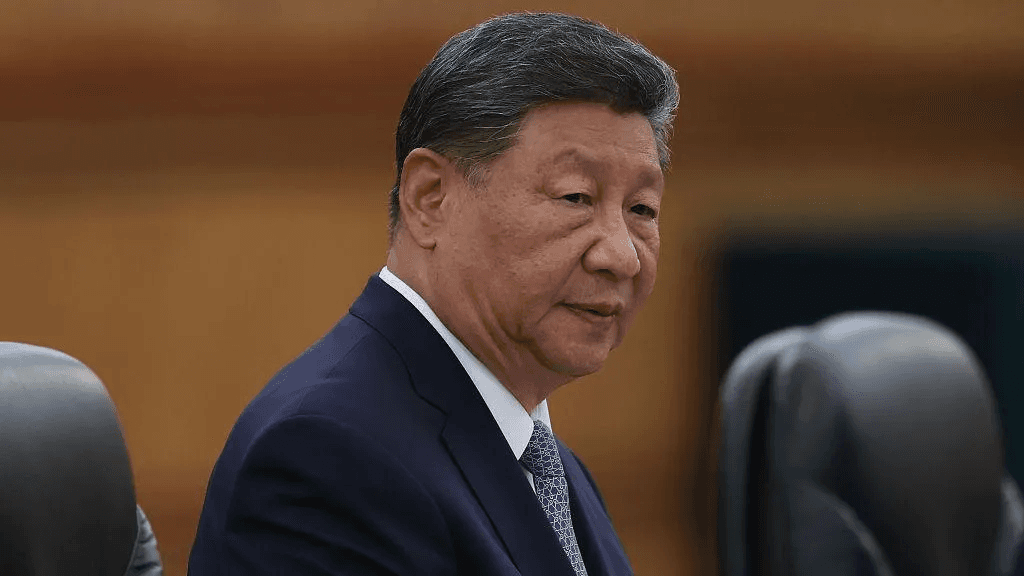
The CPPCC, which is scheduled to convene its annual session on March 3, is a key platform for China's political elite to discuss and shape the country's major policies. The removal of the three retired generals, who have been identified as General Wang Hongguang, General Xu Fenlin, and General Li Andong, has been seen as a surprise move by many observers. According to Dr. Chen Gang, a research fellow at the National University of Singapore's East Asian Institute, "The removal of these retired generals from the CPPCC suggests that the Chinese leadership is taking steps to consolidate power and streamline its decision-making processes." Dr. Chen added, "This move may also be aimed at reducing the influence of the military in China's political affairs, which has been a topic of debate in recent years."
Background and Context
The Chinese People's Liberation Army (PLA) has undergone significant reforms in recent years, aimed at modernizing its military capabilities and improving its effectiveness. The reforms, which were initiated by Chinese President Xi Jinping, have included the establishment of a new command structure, the downsizing of the military, and the introduction of new technologies and equipment. However, the reforms have also been accompanied by a significant shake-up of the military's top leadership, with several high-ranking officers being removed or reassigned.
"The removal of the three retired generals from the CPPCC is likely a continuation of this trend, and reflects the Chinese leadership's efforts to ensure that the military is fully aligned with its priorities and policies,"said Professor Zhang Ming, a specialist on Chinese military affairs at Renmin University.
The removal of the three retired generals has also raised questions about the role of the military in China's political system. The PLA has historically played a significant role in Chinese politics, with many high-ranking military officers holding key positions in the government and the Communist Party. However, in recent years, there have been signs that the Chinese leadership is seeking to reduce the military's influence and establish greater civilian control over the armed forces. According to Wang Xiaojia, a researcher at the Shanghai Institute for International Studies, "The removal of the three retired generals from the CPPCC may be a sign that the Chinese leadership is seeking to establish a clearer distinction between the military and civilian spheres, and to reduce the military's involvement in political affairs." Wang added,
"This move could have significant implications for China's political system, and may reflect a broader effort to establish a more streamlined and efficient decision-making process."
Implications and Reactions
The removal of the three retired generals from the CPPCC has been met with a mixture of surprise and speculation from observers. Some have seen the move as a sign of the Chinese leadership's efforts to consolidate power and reduce the influence of the military, while others have viewed it as a routine personnel change. Liu Weidong, a Beijing-based analyst, noted, "The removal of the three retired generals is likely to be seen as a positive move by many in China, as it suggests that the leadership is taking steps to address concerns about corruption and inefficiency in the military." Liu added,
"However, the move may also be seen as a sign of the leadership's efforts to exert greater control over the military, which could have significant implications for China's political and military relationships with other countries."
As the CPPCC convenes its annual session, attention will be focused on the implications of the removal of the three retired generals and the potential impact on China's military and political landscapes. The move is likely to be seen as a significant development in China's ongoing efforts to reform and modernize its military, and may reflect a broader effort to establish a more streamlined and efficient decision-making process. According to Dr. Chen Gang, "The removal of the three retired generals from the CPPCC is a significant move that reflects the Chinese leadership's efforts to consolidate power and reduce the influence of the military. It will be important to watch how this move is received by the military and the broader political establishment, and to assess its potential implications for China's political and military relationships with other countries."
In conclusion, the removal of three retired generals from the Chinese People's Political Consultative Conference (CPPCC) is a significant development that reflects the Chinese leadership's efforts to consolidate power and reduce the influence of the military. As China's largest annual political gathering convenes, attention will be focused on the implications of this move and its potential impact on the country's military and political landscapes. With the Chinese leadership's ongoing efforts to reform and modernize the military, this move is likely to be seen as a key step towards establishing a more streamlined and efficient decision-making process, and may have significant implications for China's relationships with other countries in the years to come.