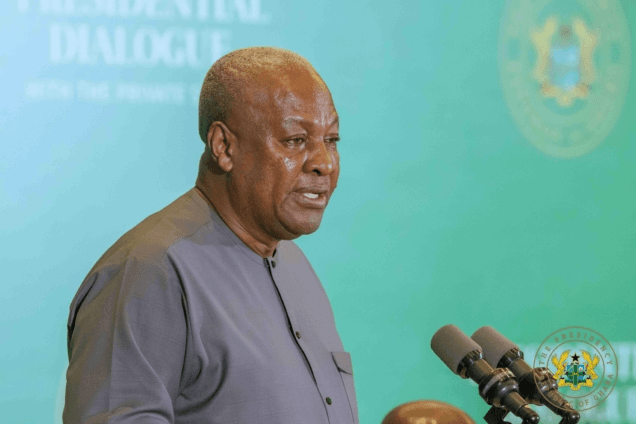
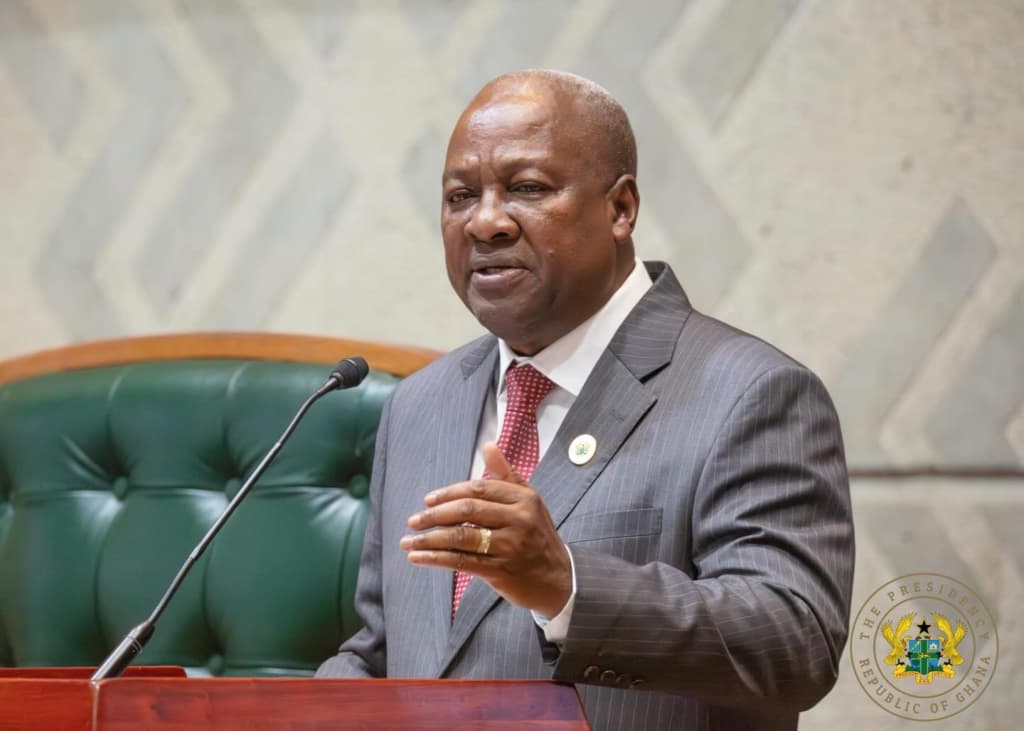
The President's remarks highlight the need for African nations to develop their own unique models of development, taking into account their distinct cultural, historical, and economic contexts. According to Dr. Ngozi Okonjo-Iweala, a renowned economist and former Nigerian Minister of Finance, "African countries must stop comparing themselves to the West and instead focus on solving their own unique problems." She added, "We need to develop our own homegrown solutions, rather than trying to replicate models that may not be suitable for our context." This approach, experts argue, would enable African nations to tap into their vast potential and create their own path to prosperity.
The Dangers of Blind Emulation
President Mahama's warning against blindly emulating the West is rooted in the reality of the growing political and social crises in many Western countries. From rising inequality and social unrest to political polarization and institutional gridlock, the problems facing many Western nations are a far cry from the stability and prosperity that Africa often aspires to. As Professor Kwame Akon, a leading expert on African development, noted, "The West is no longer the beacon of stability and prosperity that it once was. African nations must be careful not to import the problems of the West, along with their solutions." He cautioned that blindly emulating Western models can lead to the adoption of policies and practices that may not be suited to the African context, ultimately undermining the continent's development prospects.
Furthermore, the experience of many African countries that have attempted to follow the Western development model has been mixed, at best. While some have made significant progress in areas such as economic growth and poverty reduction, others have struggled to achieve sustainable development and address the root causes of poverty and inequality. According to
"The Western model of development is often based on a flawed assumption that economic growth will automatically trickle down to the poor. However, this has not been the case in many African countries, where growth has often been accompanied by rising inequality and social exclusion,"said Ms. Bineta Diop, Chair of the African Union's Commission on Gender and Development.
Towards an African-Owned Development Model
The call to forge an African-owned development model is not new, but it has gained renewed urgency in recent years. As African nations seek to achieve the Sustainable Development Goals (SDGs) and the African Union's Agenda 2063, they are recognizing the need to develop their own unique approaches to development. This requires a fundamental shift in mindset, from a focus on external solutions to a emphasis on homegrown initiatives and innovations. As President Mahama noted, "We must stop waiting for the West to come and solve our problems. We have the talent, the resources, and the expertise to develop our own solutions and create our own prosperity." This sentiment is echoed by many African leaders and experts, who argue that the time has come for the continent to take charge of its own development trajectory.
So, what might an African-owned development model look like? According to Dr. Carlos Lopes, a former Executive Secretary of the United Nations Economic Commission for Africa, "It would be a model that is rooted in African values and traditions, and that prioritizes the needs and aspirations of African people." He added, "It would be a model that is focused on sustainable development, social justice, and human rights, and that recognizes the importance of African culture and identity." Such a model would require African nations to invest in their own human capital, to develop their own technologies and innovations, and to foster their own economic growth and development.
In conclusion, President Mahama's call to action is a timely reminder of the need for African nations to forge their own path to development. As the continent continues to grow and evolve, it is clear that the old models of development will no longer suffice. Instead, African nations must develop their own unique approaches, taking into account their distinct contexts and challenges. By doing so, they can create their own prosperity, drive their own development, and secure a brighter future for themselves and for generations to come. As President Mahama so eloquently put it,
"The future of Africa is in our hands. Let us take charge of our own destiny and create a brighter future for ourselves and for our children."