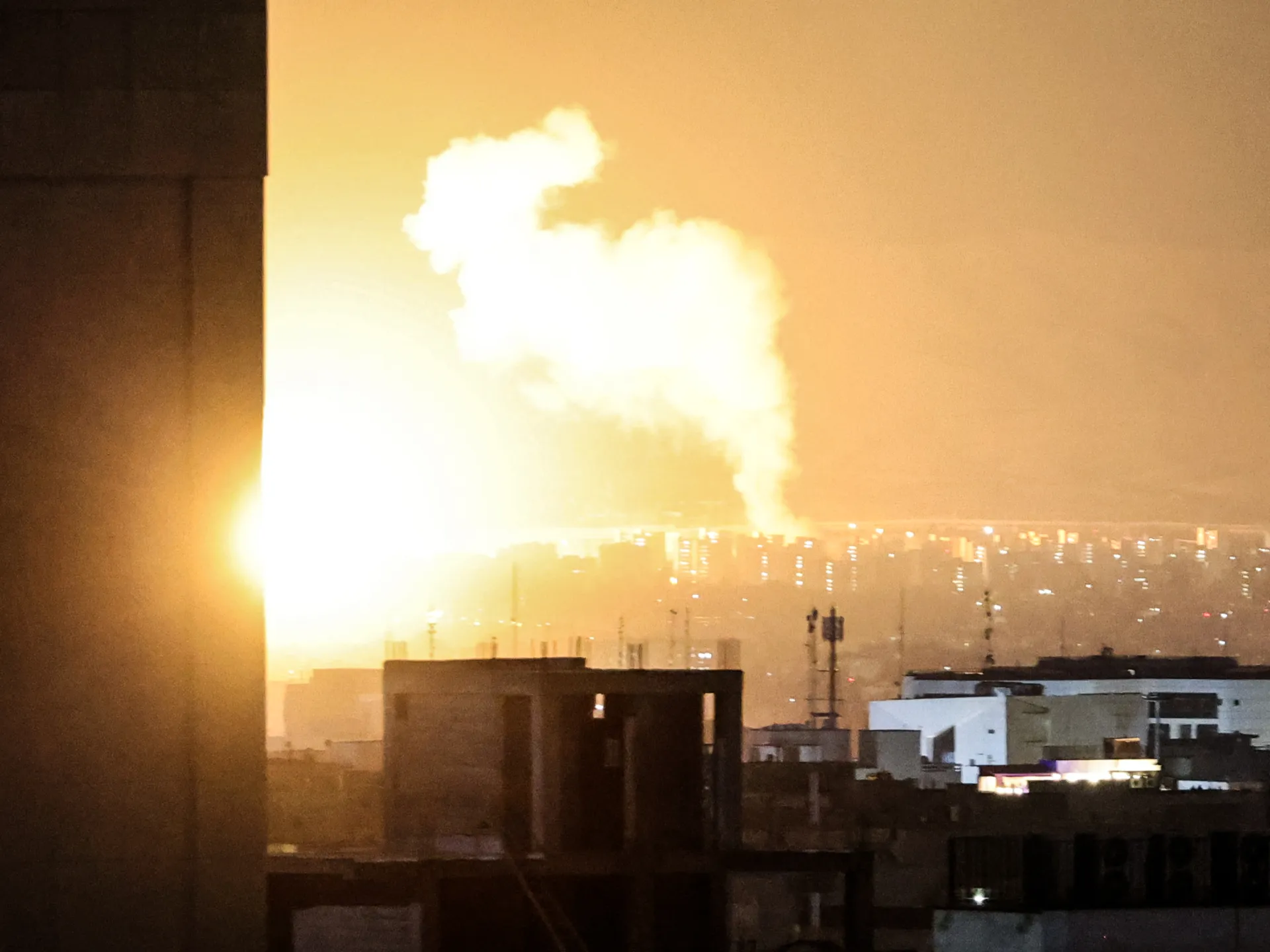
The Qatari Energy Minister's statement has significant implications for the global economy, as a halt in Gulf oil production would not only affect the region but also have far-reaching consequences for countries around the world that rely heavily on Middle Eastern oil. According to industry experts, a disruption of this magnitude could lead to a significant increase in oil prices, potentially even surpassing the $150 per barrel mark. This would have a devastating impact on the global economy, particularly for countries that are already struggling with high energy costs. As Dr. Fatih Birol, Executive Director of the International Energy Agency (IEA), noted, "The current situation in the Middle East is a stark reminder of the volatility of the global oil market. A disruption in Gulf oil production would have severe consequences for the global economy, and it is essential that we take immediate action to mitigate its impact."
Impact on the Global Economy
The potential consequences of a halt in Gulf oil production are far-reaching and could have a significant impact on the global economy. With many countries relying heavily on Middle Eastern oil, a disruption in supply could lead to a sharp increase in energy costs, which would, in turn, drive up inflation and slow down economic growth. As John Hess, CEO of Hess Corporation, stated, "The global economy is already facing significant headwinds, and a disruption in Gulf oil production would only add to the challenges. We urge all parties involved to work towards a peaceful resolution to this conflict, as the consequences of a prolonged disruption would be catastrophic." Furthermore, a prolonged disruption in oil production could also lead to a shortage of gasoline and other petroleum products, which would have a devastating impact on the transportation sector and other industries that rely heavily on these products.
Expert Analysis
Energy experts are warning that the current conflict with Iran has the potential to escalate into a full-blown crisis, with severe consequences for the global oil market. As
"The situation in the Middle East is extremely volatile, and the possibility of a disruption in Gulf oil production is very real. If the conflict with Iran continues to escalate, we could see oil prices rise to unprecedented levels, potentially even surpassing $150 per barrel,"said Dr. Daniel Yergin, a leading energy expert and Pulitzer Prize-winning author. Furthermore, the ongoing tensions between the US and Iran are also contributing to the uncertainty in the oil market, with many experts predicting that the situation could deteriorate further in the coming weeks. As Amy Myers Jaffe, a senior fellow at the Council on Foreign Relations, noted, "The US-Iran conflict is a significant factor in the current oil market volatility. If the situation continues to escalate, we could see a significant disruption in oil production, which would have severe consequences for the global economy."
Regional Implications
The potential halt in Gulf oil production would also have significant regional implications, particularly for countries in the Middle East that rely heavily on oil exports. As Abdulaziz bin Salman, Saudi Arabia's Energy Minister, stated, "The current situation in the region is a stark reminder of the importance of diplomacy and cooperation. We urge all parties involved to work towards a peaceful resolution to this conflict, as the consequences of a prolonged disruption would be devastating for the region." Furthermore, a disruption in oil production would also have significant implications for the regional economy, particularly for countries that are already struggling with high unemployment and economic instability. As
"The Middle East is already facing significant economic challenges, and a disruption in oil production would only add to the difficulties. It is essential that we work towards a peaceful resolution to this conflict, as the consequences of a prolonged disruption would be catastrophic for the region,"said Dr. Nasser Saidi, a leading Middle East economist.
In conclusion, the current situation in the Middle East is extremely volatile, and the potential halt in Gulf oil production would have severe consequences for the global economy. As the conflict with Iran continues to escalate, it is essential that all parties involved work towards a peaceful resolution to prevent a disruption in oil production. With the price of oil already at a two-year high, the situation is critical, and any further escalation could lead to unprecedented price increases. As the world waits with bated breath to see how the situation unfolds, one thing is certain – the consequences of a prolonged disruption in Gulf oil production would be devastating for the global economy, and it is essential that we take immediate action to mitigate its impact. The coming weeks will be crucial in determining the trajectory of the global oil market, and it remains to be seen whether the parties involved can work towards a peaceful resolution to this conflict.