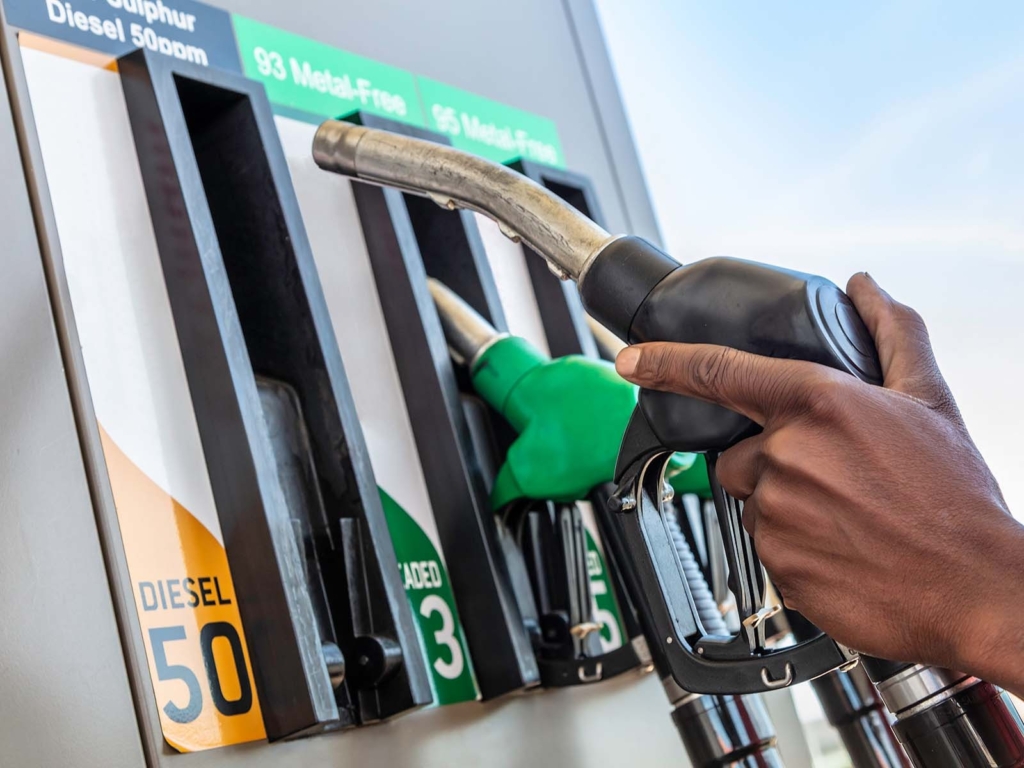
GOIL's announcement marks a pivotal moment in the competitive landscape of Ghana’s downstream petroleum sector, setting a new benchmark for affordability and potentially triggering a widespread adjustment across other OMCs. The company explicitly stated its pleasure in contributing to the national effort to ease the cost of living, echoing sentiments expressed by political leaders regarding the economic pressures faced by citizens. This proactive step by a major player is expected to reverberate throughout the industry, compelling competitors to re-evaluate their pricing structures to remain competitive.
Strategic Pricing Amidst Global Volatility
The decision by GOIL to lower its prices comes at a time of considerable global economic uncertainty, exacerbated by geopolitical tensions in the Middle East. While such conflicts typically lead to an upward surge in international crude oil prices, GOIL's move appears to be a calculated effort to balance market competitiveness with a commitment to national welfare. The company's statement, "GOIL is pleased to announce a reduction in our ex-pump prices," underscores its position as a national champion responsive to the needs of its consumers and the broader economic climate.
According to Dr. Ama Owusu, a Senior Economic Analyst at the Institute for Fiscal Studies, GOIL's strategy is multi-faceted.
"GOIL's aggressive pricing strategy is a game-changer in Ghana's deregulated petroleum market. It signals a readiness to compete fiercely not just on service but primarily on price, which is often the most critical factor for consumers. Other players will undoubtedly feel immense pressure to adjust their prices or risk losing significant market share. This move, while influenced by national sentiment, is also a shrewd business decision designed to solidify GOIL's position as a market leader and a consumer-friendly brand."
Impact on Consumers and Transport Sector
The immediate beneficiaries of GOIL's price cuts will be millions of Ghanaian motorists, commercial drivers, and the general public who rely on fuel for transportation and various economic activities. For commercial vehicle operators, including 'tro-tro' drivers and taxi services, the reduction in diesel and petrol prices translates directly into lower operating costs, potentially leading to more stable transport fares and increased profitability. This could have a ripple effect on the prices of goods and services, as transportation costs are a significant component of the overall supply chain.
Mr. Kojo Mensah, Chairman of the Ghana Road Transport Union, expressed cautious optimism regarding the development.
"This reduction from GOIL is very welcome news for our drivers and, by extension, the commuters they serve. Fuel costs represent a substantial portion of our daily expenses, and any relief, however small, translates directly into savings for passengers and better margins for our members. We sincerely hope that this trend continues and that other OMCs will follow GOIL's lead promptly to ensure a level playing field and maximum benefit for Ghanaians."Mensah further emphasized the need for consistent pricing to allow for stable fare structures.
Intensifying the OMCs Price War
Ghana's downstream petroleum sector operates under a deregulated pricing regime, allowing OMCs to set their own prices based on various factors including international crude oil prices, the exchange rate of the Ghana Cedi to the US Dollar, taxes, and their operational costs. This autonomy often leads to fierce competition, with companies constantly monitoring each other's prices. GOIL's latest move is expected to intensify this price war, potentially ushering in a period of significant price volatility as other OMCs respond.
Energy policy expert, Ms. Akosua Darko, highlighted the broader implications of such competitive actions.
"While GOIL attributes this to national sentiment and presidential intentions, it also reflects a strategic business decision in a highly competitive market. Such aggressive pricing can disrupt market equilibrium, forcing smaller players to adapt quickly or face operational challenges. The long-term sustainability of these price cuts will depend on global crude oil price stability and the performance of the local currency, but for now, it's a bold move that could redefine market shares and increase consumer choice."Darko also pointed out the potential for price cycling, where OMCs might lower prices and then gradually increase them.
Government's Stance and Future Outlook
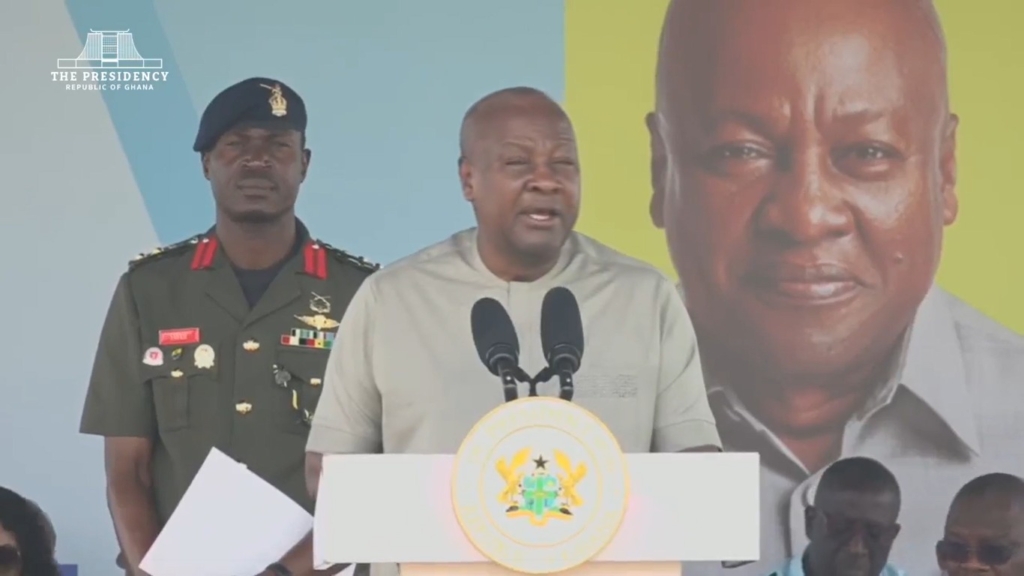
President John Mahama's recent comments on easing life for Ghanaians appear to have provided a significant impetus for GOIL's decision. While the government does not directly control ex-pump prices in a deregulated market, public statements from high-ranking officials can influence corporate social responsibility initiatives and strategic business decisions, especially from state-affiliated enterprises like GOIL. This alignment between corporate action and national policy objectives suggests a concerted effort to mitigate the economic impact of external factors on the populace.
As the market awaits responses from other major OMCs, the immediate future of fuel prices in Ghana appears set for a period of downward adjustment, at least in the short term. Consumers are advised to monitor price developments closely, as the competitive landscape continues to evolve. This development underscores the dynamic nature of Ghana's petroleum industry and the significant influence that key players like GOIL can wield in shaping market trends and directly impacting the daily lives of citizens.