.png)
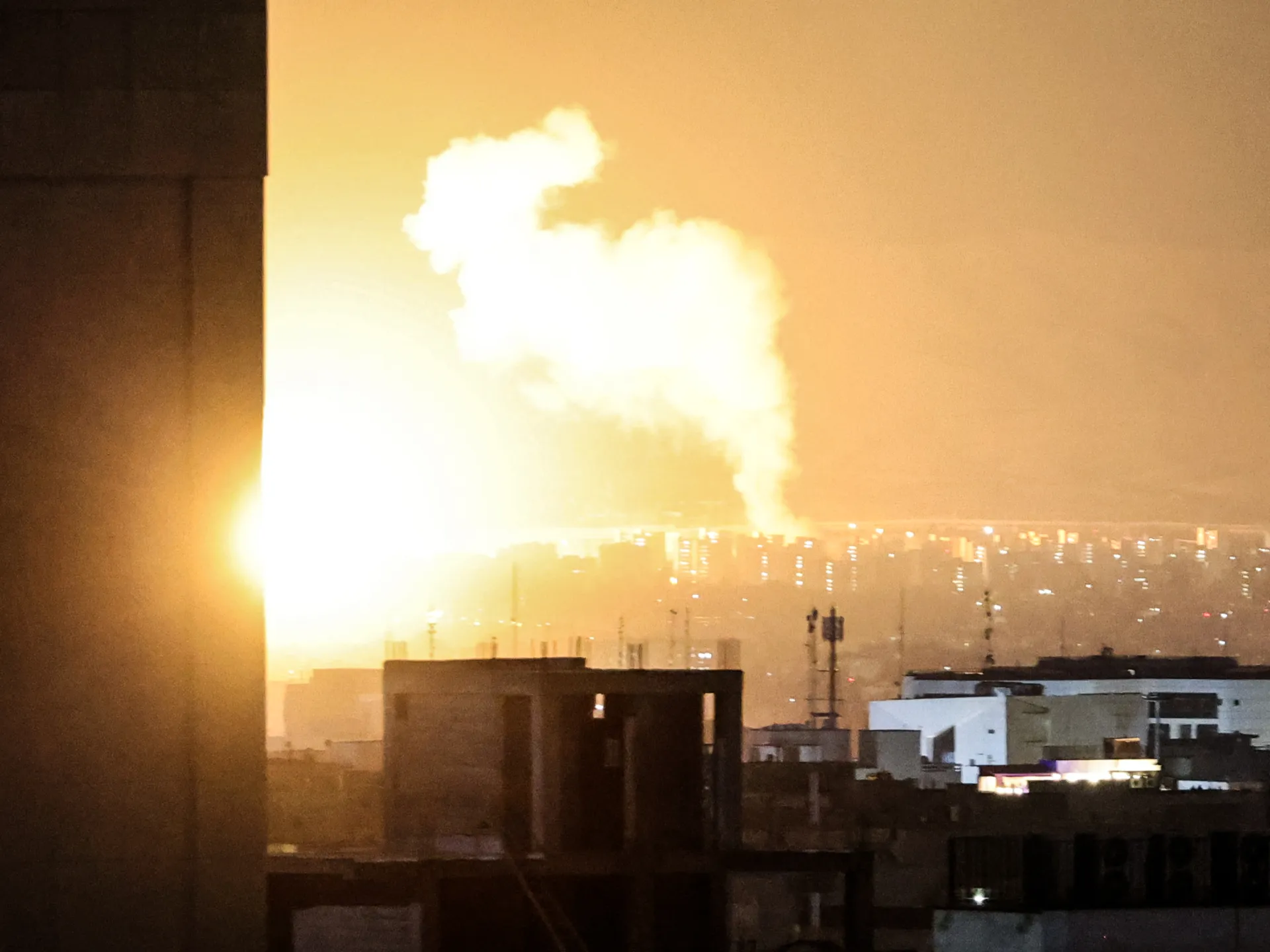
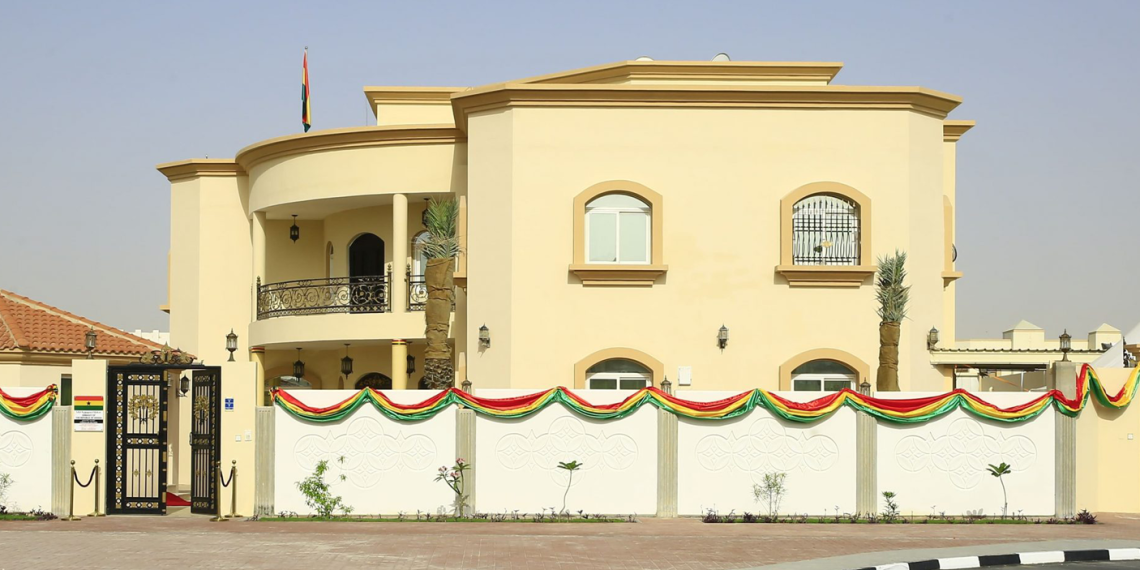
In a brazen attack on United Nations peacekeeping forces, the Ghanaian Battalion Headquarters in the United Nations Interim Force (UNIFIL), Lebanon came under two missile attacks between 17:45 and 17:52 hours local time today. The attacks, which were reportedly launched from an undisclosed location, resulted in significant damage to the headquarters' infrastructure, but fortunately, no fatalities were reported among the personnel stationed there. However, several soldiers sustained injuries, with some reported to be in critical condition.
The UNIFIL mission, established in 1978, is tasked with maintaining peace and security in southern Lebanon, following the Israeli withdrawal from the region. The Ghanaian Battalion is one of the largest contingents within the UNIFIL, with over 850 personnel currently deployed. The attacks on the battalion headquarters have raised concerns about the safety and security of UN peacekeepers in the region. According to UNIFIL spokesperson, Lieutenant Colonel Alexandre Chicoine, "The attacks on our personnel are a serious concern, and we are working closely with the Lebanese authorities to investigate the incident and determine those responsible."
Response to the Attacks
The Lebanese government has condemned the attacks, with Prime Minister Najib Mikati stating, "We strongly condemn the cowardly attacks on the UNIFIL headquarters and pledge to cooperate fully with the UN to ensure the safety and security of its personnel." The Lebanese army has also launched an investigation into the attacks, with a spokesperson saying, "We will spare no effort in identifying and bringing to justice those responsible for this heinous act." The UN Secretary-General, António Guterres, has also issued a statement,
"I strongly condemn the attacks on the UNIFIL personnel and call on all parties to respect the safety and security of UN peacekeepers. The UN will continue to work with the Lebanese authorities to ensure the stability and security of the region."
Regional Implications
The attacks on the UNIFIL headquarters have significant implications for the region, which has been experiencing a heightened state of tension in recent months. Dr. Mona Fayyad, a regional security expert, notes, "The attacks on the UNIFIL headquarters are a worrying development, as they have the potential to destabilize the region and undermine the fragile peace that exists." She adds, "The international community must take a strong stance against these attacks and work towards finding a lasting solution to the conflict in the region." The attacks have also raised concerns about the ability of the UN to maintain peace and security in the region, with former UN peacekeeper, Colonel Michael O'Brien, stating, "The attacks on the UNIFIL headquarters highlight the risks and challenges faced by UN peacekeepers in the region. It is essential that the UN takes a proactive approach to addressing these challenges and ensuring the safety and security of its personnel."
The UNIFIL mission has been instrumental in maintaining peace and stability in southern Lebanon, and the attacks on the Ghanaian Battalion headquarters are a stark reminder of the risks and challenges faced by UN peacekeepers in the region. As the investigation into the attacks continues, it is essential that the international community comes together to condemn these acts of violence and work towards finding a lasting solution to the conflict in the region. The UN Security Council is scheduled to hold an emergency meeting to discuss the attacks and the broader security situation in the region. The meeting is expected to result in a strong condemnation of the attacks and a call for increased cooperation between the UN and the Lebanese authorities to ensure the safety and security of UN personnel.
Investigation and Aftermath
The investigation into the attacks is ongoing, with the UNIFIL and Lebanese authorities working closely together to determine the circumstances surrounding the attacks. The UNIFIL has stated that it will do everything in its power to ensure that those responsible for the attacks are held accountable. The attacks have also raised questions about the effectiveness of the UN's peacekeeping operations in the region, with some critics arguing that the UN needs to take a more proactive approach to addressing the security challenges faced by its personnel. According to UNIFIL Force Commander, Major General Michael Beary, "The UNIFIL is committed to maintaining peace and stability in the region, and we will continue to work closely with the Lebanese authorities to ensure the safety and security of our personnel and the local population."
In conclusion, the attacks on the Ghanaian Battalion Headquarters in the UNIFIL, Lebanon, are a serious concern that requires a strong and coordinated response from the international community. As the investigation into the attacks continues, it is essential that the UN and the Lebanese authorities work together to ensure the safety and security of UN personnel and the local population. The international community must also come together to condemn these acts of violence and work towards finding a lasting solution to the conflict in the region. The situation in southern Lebanon remains volatile, and it is crucial that the UN and the international community remain vigilant and committed to maintaining peace and stability in the region. As the situation continues to unfold, one thing is clear: the safety and security of UN peacekeepers must be a top priority, and all necessary measures must be taken to prevent such attacks from happening in the future.