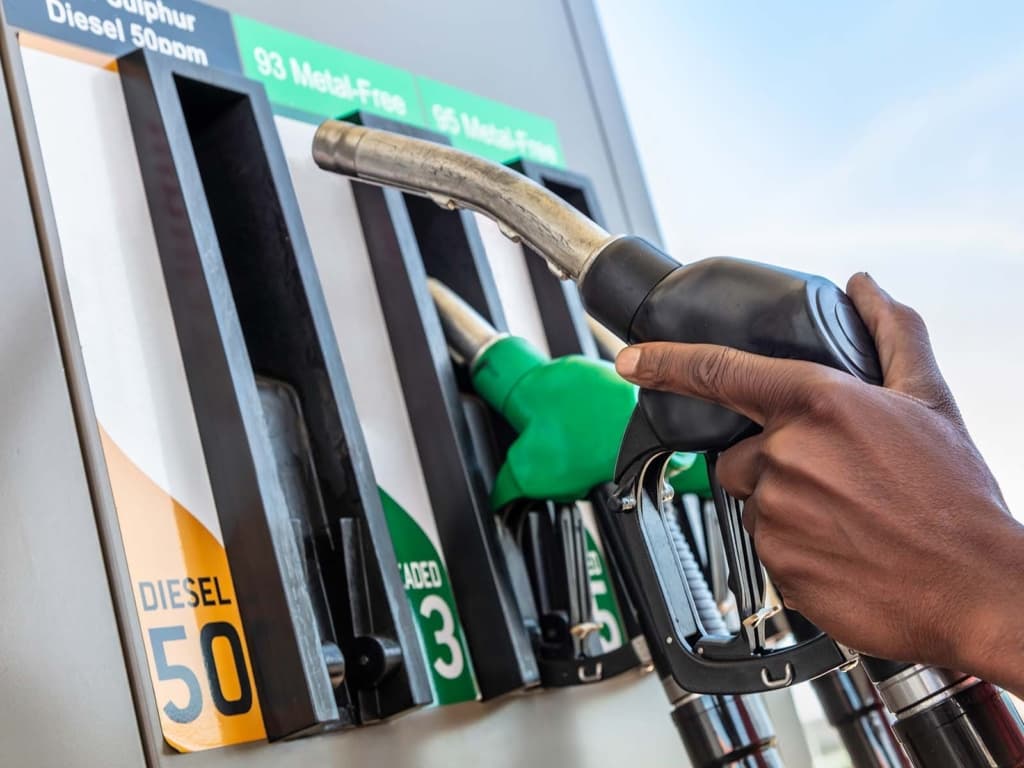
The Middle East is a critical supplier of oil to the global market, and any conflict or instability in the region can have far-reaching consequences for fuel prices and availability. However, Dr. Oppong notes that Ghana has taken steps to reduce its dependence on any one particular supplier or region. "We have a diversified import strategy that allows us to source fuel from multiple suppliers and regions," he explained. "This means that if there are disruptions in one part of the world, we can quickly switch to alternative suppliers to ensure that our fuel supply remains stable."
Fuel Supply Chain Resilience
Dr. Oppong also highlighted the resilience of Ghana's fuel supply chain, which he says is well-equipped to handle any potential disruptions. "Our supply chain is designed to be flexible and adaptable, with multiple layers of redundancy and backup systems in place," he said. "This means that even if there are disruptions to our fuel imports, we can quickly switch to alternative sources and minimize the impact on consumers." According to industry experts, Ghana's fuel supply chain is one of the most robust in the region, with a network of strategic storage facilities and distribution infrastructure that can withstand minor disruptions.
Additionally, the Ghanaian government has implemented measures to promote fuel efficiency and reduce the country's dependence on imported fuel. These initiatives include the development of domestic oil and gas resources, as well as the promotion of alternative energy sources such as solar and wind power. "We are committed to reducing our dependence on imported fuel and promoting the use of domestic energy resources," said
"The government is working closely with the private sector to develop our domestic oil and gas resources, and to promote the use of alternative energy sources,"said Dr. Oppong. "This will not only reduce our exposure to global fuel price volatility but also create jobs and stimulate economic growth."
Regional Implications
The potential impact of Middle East tensions on Ghana's fuel supply is not limited to the country itself, but also has regional implications. As a major economic hub in West Africa, Ghana plays a critical role in the regional economy, and any disruptions to its fuel supply could have far-reaching consequences. "Ghana is a key player in the regional economy, and any disruptions to its fuel supply could have a ripple effect on neighboring countries," said regional trade expert, Mr. Kwame Owusu. "It is therefore essential that Ghana continues to diversify its fuel imports and promote regional cooperation to ensure that the entire region is protected from potential disruptions."
According to industry analysts, the regional implications of a fuel shortage in Ghana could be severe, with potential knock-on effects on trade, commerce, and economic growth. "A fuel shortage in Ghana could have a devastating impact on the regional economy, particularly in countries that rely heavily on Ghanaian ports and transportation infrastructure," said Mr. Owusu. "It is therefore essential that Ghana and its regional partners work together to develop a comprehensive strategy for mitigating the impact of any potential disruptions."
Conclusion and Forward-Looking Statement
In conclusion, while the escalating tensions in the Middle East pose a significant threat to global fuel security, Ghana's diversified import strategy and robust supply chain are well-equipped to mitigate the impact of any disruptions. As Dr. Oppong notes, "We are confident that our fuel supply will remain stable, even in the face of global disruptions." However, the situation remains fluid, and close monitoring of developments in the region is essential to ensure that Ghana and its regional partners are prepared to respond to any potential disruptions. As the situation continues to unfold, one thing is clear: Ghana's fuel supply chain will be subject to intense scrutiny, and the country's ability to navigate any potential disruptions will be critical to its economic stability and growth.