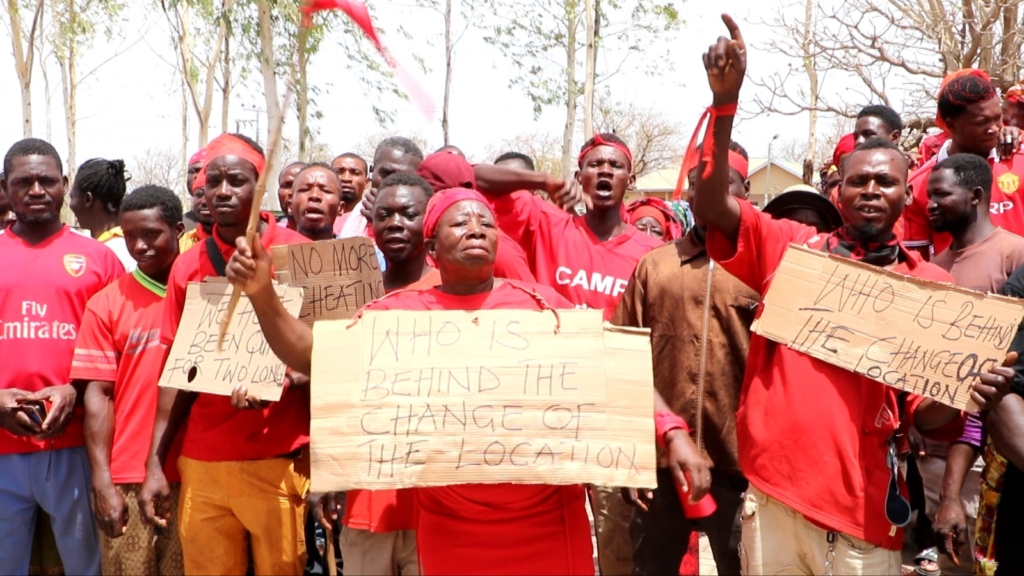
The Ghana Education Service (GES) has moved swiftly to address concerns and misconceptions surrounding its recently issued internal circular, which had sparked intense public discussion and debate among teachers and educational stakeholders. The circular, titled "Management Reinforces Respect for Administrative Structures and Professional Conduct" (Ref: GES/DD-G/Q&A/26/134), was sent to all Regional Directors of Education, aiming to reinforce respect for administrative structures and adherence to professional conduct within the education sector.
At the heart of the controversy was the perception that the circular imposed restrictions on teachers' rights, potentially undermining their freedom of expression and association. However, in a statement, the GES sought to allay these fears, clarifying that the intent of the circular was not to restrict the rights of teachers but to ensure that they operate within established administrative and professional boundaries. According to Dr. Kwame Adu-Gyamfi, a senior official at the GES, "The primary goal of the circular is to maintain discipline and order in our schools, ensuring a conducive environment for both teachers and students. It is not about curtailing the rights of teachers but about upholding the professional standards that are essential for the delivery of quality education."
Understanding the Circular
The GES circular outlines guidelines for professional conduct, emphasizing the importance of respect for the administrative hierarchy and adherence to established protocols. It also reminds teachers of their roles and responsibilities, including the need to maintain a professional demeanor and uphold the integrity of the education system.
"As educators, we have a responsibility not only to our students but to the profession as a whole. This circular is a reminder of the high standards we must adhere to,"noted Ms. Ama Owusu, a veteran teacher and education advocate. Despite these clarifications, some educators and union representatives had expressed concerns that the circular could be interpreted as an attempt to muzzle teachers and suppress dissent within the ranks.
In response to these concerns, the GES has engaged in dialogue with teacher unions and other stakeholders to provide further clarification and reassure them that the service values the contributions and viewpoints of all educators. Mr. Kofi Amponsah, General Secretary of the Ghana National Association of Teachers (GNAT), acknowledged the efforts of the GES to address the concerns of teachers, stating,
"We appreciate the willingness of the GES to listen to our concerns and provide clarity on the circular. It's crucial that we work together to create an environment that supports both teachers and students."
Implications and Next Steps
The clarification provided by the GES is expected to ease tensions and provide a clearer understanding of the circular's intentions among educators. However, some experts suggest that the controversy surrounding the circular highlights deeper issues within the education sector, including the need for more effective communication between the GES and teachers, as well as the importance of fostering a culture of openness and transparency. Dr. Abena Agyeiwaa, an education policy analyst, observed, "This incident underscores the importance of dialogue and consultation in policy-making. The GES must ensure that teachers are not only heard but are also integral to the decision-making process."
Looking ahead, the GES has indicated its commitment to ongoing engagement with teachers and stakeholders to ensure that any policies or guidelines introduced are well-understood and supported by those they affect. This approach is seen as crucial in maintaining a positive and productive relationship between the service and educators, which is vital for the success of the education system. As the education sector continues to evolve, the ability of the GES to balance the need for discipline and order with the rights and freedoms of teachers will be closely watched, with implications for the quality of education and the well-being of both teachers and students.
In conclusion, the GES's clarification of its circular and its reassurances to teachers mark an important step in addressing the concerns of educators and reaffirming the service's commitment to upholding professional standards and respecting the rights of teachers. As the education community moves forward, it will be essential to build on this foundation of dialogue and mutual understanding to create a supportive and effective learning environment for all. The future of Ghana's education system depends on the ability of its stakeholders to work collaboratively, fostering an environment where teachers can thrive professionally and students can receive the high-quality education they deserve.