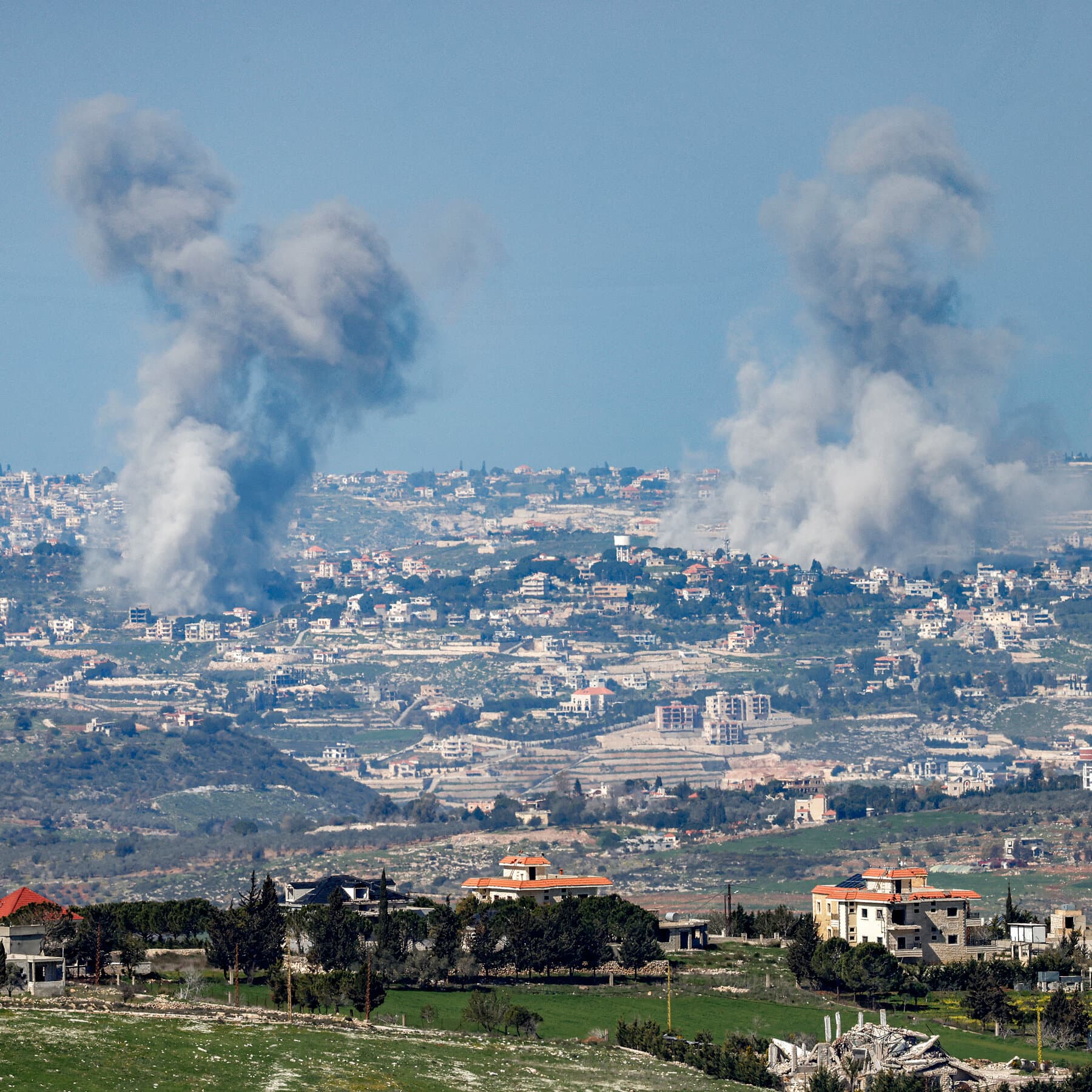

The government's evacuation plan, which was put in place to respond to emergencies such as the current situation in the Middle East, has been activated to facilitate the safe return of Ghanaians who wish to leave the region. According to Minister Ablakwa, the plan is being carried out in collaboration with international partners and stakeholders, who are providing assistance and support to ensure a smooth and efficient evacuation process. "We are working closely with our embassies and consulates in the region, as well as with international organizations and other governments, to ensure that our citizens are protected and supported during this challenging time,"
the minister said in a statement. "The safety and well-being of Ghanaians abroad is our top priority, and we will do everything in our power to ensure that they are able to return home safely and without incident."
Government Efforts to Protect Citizens
The Ghanaian government's efforts to protect its citizens in the Middle East have been ongoing for several weeks, with the Foreign Affairs Ministry working closely with other government agencies and international partners to monitor the situation and respond to emerging developments. According to Dr. Kwame Asiedu, a senior research fellow at the Ghana Institute of Foreign Affairs, the government's proactive approach has helped to mitigate the risks faced by Ghanaians in the region. "The government's decision to activate its evacuation plan is a prudent one, given the rapidly changing situation in the Middle East,"
Dr. Asiedu said in an interview. "By taking proactive measures to protect its citizens, the government is demonstrating its commitment to their safety and well-being, and helping to reduce the risks associated with the current situation."
In addition to the evacuation plan, the government has also established a 24-hour emergency hotline for Ghanaians in the Middle East, which provides a direct line of communication for citizens who may be in need of assistance or support. The hotline, which is staffed by trained personnel from the Foreign Affairs Ministry, has been widely publicized and has already received numerous calls from Ghanaians seeking information or help. According to Minister Ablakwa, the hotline is an important part of the government's efforts to support its citizens in the region, and will remain in place for as long as necessary. "We want to assure our citizens that we are here to support them, and that we will do everything in our power to help them navigate this challenging situation,"
the minister said.
International Cooperation and Support
The Ghanaian government's efforts to protect its citizens in the Middle East have received support and cooperation from the international community, with several countries and organizations offering assistance and assistance to help facilitate the evacuation process. According to Ambassador Amma Twum-Amoah, Ghana's Ambassador to the United Arab Emirates, the international community has been very supportive of Ghana's efforts to protect its citizens. "We have received offers of assistance from several countries, including the United States, the United Kingdom, and France,"
Ambassador Twum-Amoah said in an interview. "We are grateful for this support, and we look forward to continuing to work with our international partners to ensure the safe return of our citizens."
The evacuation plan is being carried out in accordance with international best practices and guidelines, with the safety and well-being of Ghanaians in the region being the top priority. According to Colonel Isaac Amponsah, a senior official with the Ghana Armed Forces, the evacuation process is being carefully planned and executed to minimize risks and ensure a smooth and efficient operation. "We are working closely with our international partners to ensure that the evacuation is carried out in a safe and orderly manner,"
Colonel Amponsah said. "We are committed to protecting our citizens and ensuring their safe return to Ghana, and we will do everything in our power to achieve this goal."
Conclusion and Next Steps
In conclusion, the Ghanaian government's efforts to protect its citizens in the Middle East have been proactive and effective, with the evacuation plan being activated to facilitate the safe return of Ghanaians who wish to leave the region. The government's commitment to the safety and well-being of its citizens abroad is clear, and its efforts have been commended by experts and citizens alike. As the situation in the Middle East continues to unfold, the Ghanaian government will remain vigilant and proactive, working closely with international partners and stakeholders to ensure the safe return of its citizens and to protect their interests abroad. According to Minister Ablakwa, the government will continue to monitor the situation closely and will take all necessary measures to protect its citizens. "We will do everything in our power to ensure the safe return of our citizens and to protect their interests abroad,"
the minister said. "We urge all Ghanaians in the Middle East to remain calm and to follow the instructions of our embassies and consulates, and we assure them that we will do everything in our power to support them during this challenging time."