The protocol establishing the African Court has been in existence for over 15 years, but only 30 out of 55 AU member states have ratified it. This slow pace of ratification has limited the court's ability to effectively discharge its mandate, and has raised concerns among human rights advocates and experts. According to Dr. Solomon Dersso, a human rights expert and commissioner at the African Commission on Human and Peoples' Rights, "the African Court has the potential to play a crucial role in promoting and protecting human rights in Africa, but its effectiveness depends on the level of commitment and cooperation from AU member states." He added that "the ratification of the protocol is a critical step towards ensuring that the court has the necessary mandate and resources to fulfill its obligations."
The African Court has jurisdiction to hear cases involving human rights violations, and has the power to make binding decisions. However, its ability to exercise this jurisdiction is limited by the fact that many AU member states have not ratified the protocol.
"The African Court is a vital institution for promoting and protecting human rights in Africa, but it cannot fulfill its mandate if it does not have the support and cooperation of AU member states,"said Ambassador Fatima Kyari Mohammed, the African Union's permanent representative to the United Nations. She emphasized that "the ratification of the protocol is not only a moral obligation, but also a legal requirement for AU member states."
Challenges facing the African Court
Despite its importance, the African Court faces numerous challenges that hinder its effectiveness. One of the major challenges is the lack of resources, which has limited the court's ability to discharge its mandate. The court relies on funding from AU member states, but many of these states have not fulfilled their financial obligations. According to Dr. Robert Eno, a human rights expert and former official at the African Court, "the lack of resources has severely constrained the court's ability to function effectively, and has limited its ability to hear cases and make decisions." He added that "the court needs a stable and predictable source of funding to fulfill its obligations and promote human rights in Africa."
Way forward
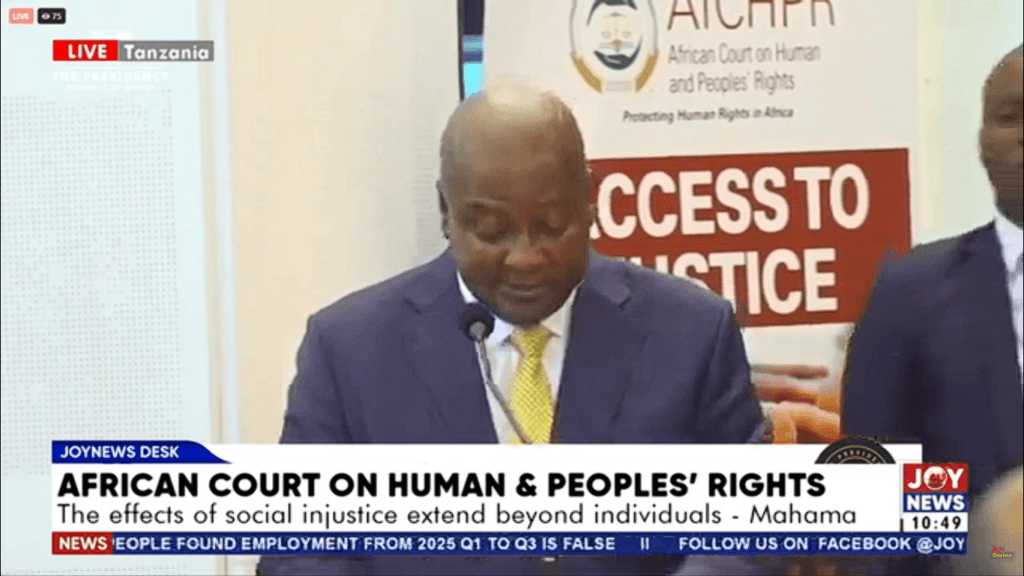
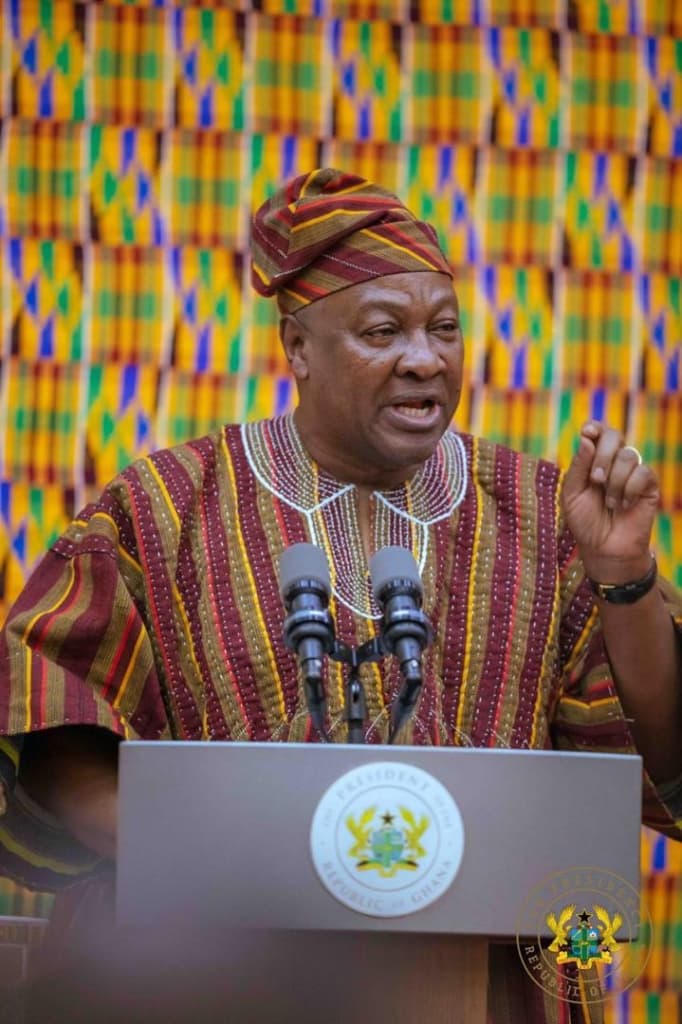
President Mahama's call for AU member states to ratify the protocol without delay is a significant step towards addressing the challenges facing the African Court. It is expected that this call will galvanize AU member states to take action and fulfill their obligations. Professor Makau Mutua, a human rights expert and former chairman of the Kenya Human Rights Commission, said that "the African Court has the potential to play a crucial role in promoting and protecting human rights in Africa, but it needs the support and cooperation of AU member states." He added that "the ratification of the protocol is a critical step towards ensuring that the court has the necessary mandate and resources to fulfill its obligations."
In conclusion, the ratification of the protocol establishing the African Court on Human and Peoples’ Rights is a critical step towards promoting and protecting human rights in Africa. President Mahama's call for AU member states to ratify the protocol without delay is a significant move towards addressing the challenges facing the African Court. As the African continent continues to grapple with numerous human rights challenges, it is imperative that AU member states take action to fulfill their obligations and support the African Court in its mandate to promote and protect human rights. The future of human rights in Africa depends on the ability of the African Court to effectively discharge its mandate, and this requires the cooperation and commitment of AU member states. As Dr. Dersso noted, "the African Court is a vital institution for promoting and protecting human rights in Africa, and its effectiveness depends on the level of commitment and cooperation from AU member states."